
Orange circle badge with text that reads Climate Justice Initiative in a circle aligning the diameter. Illustrations of leaves in the middle of the circle.

Land Circle

Since 1492, the systems of colonization, extractive industry, and industrial agriculture have led to displacement, dispossession, and climate catastrophe. CJI’s Land Circle collaborators are providing spaces for Black and Indigenous community members to reconnect with the land, tending it for food, healing, and justice. Learn more about the benefits of community agriculture and Indigenous stewardship, and how you can help!

Collaborators and Teach-Ins

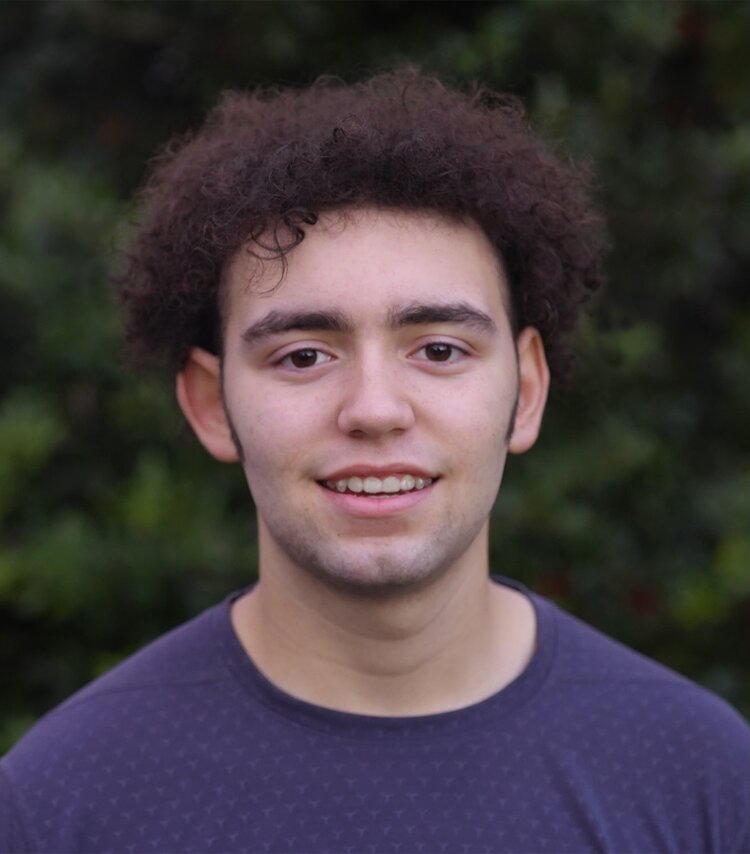
Cannon Cline

The Lenape people are losing their land, their culture, their history, and their ties to their animal relatives. Cannon is an active participant in Lenape culture through dancing, drumming, and singing at powwows and gatherings. He is also involved in food sovereignty movements to protect traditional fish and seafood populations threatened by climate change. Cannon is currently a student at Cornell University, where he plans to major in Earth and Atmospheric Science.

Connie Dimalanta

Native American House Alliance, Inc.
There is a growing need for social services among the Native American community in the Philadelphia area. Native American House Alliance preserves and protects Native American history, culture, and sites. They hope to transform so-called Penn Treaty Park into an accessible, thriving ecosystem that honors the Lenape people who originally welcomed William Penn to these shores. To get involved, visit Native American House Alliance online.

RuthAnn Purchase

fb: Friends of Lenape Everywhere
Welcome to Lenapehokink
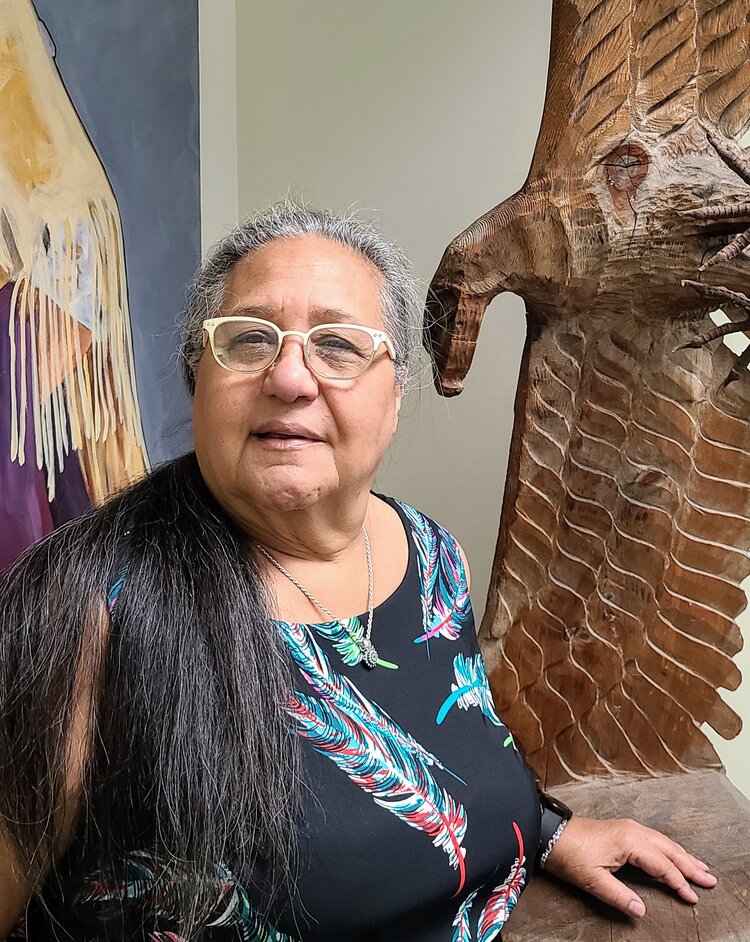
When European colonizers came to Turtle Island, they brought with them the idea that nature was something that could be owned, commodified, and exploited. By listening to the deep wisdom of the Indigenous people of Turtle Island, we can begin to heal our relationship with the land and with all living things. RuthAnn manages a Lenape Cultural Mapping project that uses oral history, research, and the arts to collect and protect Indigenous stewardship traditions for future generations.

Teach-In

Issue: The Lenape people are living in diaspora across Lenapehoking and throughout other parts of Turtle Island (also known as North America).

Solution: Lenape people are reclaiming their cultural heritage, their traditions, and their land.

Action: Learn about the Lenape people, listen to their stories, and support their efforts for cultural preservation and sovereignty.

Links:
Lenape Indian Tribe of Delaware Cultural Mapping Project
Lenape Talking Dictionary
The Treaty Elm of Shackamaxon
Tribal Lands Forest Garden Restoration

César Andreu Iglesias Community Garden

César Andreu Iglesias Community Garden
fb: Iglesias Garden
ig: @IglesiasGardens

Community gardens keep neighborhoods cooler, retain stormwater, strengthen ecosystems, reduce trash dumping, and improve air quality. The Iglesias Garden was founded by the Philly Socialists in 2012 to cultivate food, medicine, and community. They host workdays on Saturdays at 1 pm, and free food distribution at 4 pm, at the intersection of Lawrence and Arlington Streets (weather permitting). The Iglesias Garden was represented in the CJI by Anthony Patrick and Lauren Troop.

Teach-In

Issue: Community land and gardens are endangered by gentrification, real estate development, redlining, economic inequality, structural racism, and past and present disenfranchisement.

Solution: Community gardens keep neighborhoods cooler, retain stormwater, strengthen ecosystems, reduce trash dumping, and improve air quality. The Iglesias Garden was founded by the Philly Socialists in 2012 to cultivate food, medicine, and community.

Action: Come to a garden workdays on Saturdays at 1 pm, and free food distribution at 4 pm, at the intersection of Lawrence and Arlington Streets (weather permitting).

Natives in Philly (formerly Indigenous 215)

Indigenous 215
fb: Indigenous 215
ig: @Indigenous215

Indigenous 215 is a collective of activists, artists, healers, makers, educators, and thinkers who are Indigenous to the western hemisphere living in the greater Philadelphia region. Their passion is to foster community, promote awareness and education of Indigenous history and contemporary communities, and support the urgent struggles for Indigenous rights, sovereignty, and self-determination in Philadelphia. Indigenous 215 members Priscilla Bell, Kitty Heite, and Felicia Teter represented the collective as CJI collaborators.

Teach-In

Issue: Many treaties between Indigenous people and European colonizers are not being honored. Indigenous people across Turtle Island (the so-called “United States” and beyond) are fighting for their right to return to their homelands, as well as their right to be wherever they are.

Solution: Indigenous organizers are, and have been, at the forefront of many struggles for climate justice, from the colonial era to Standing Rock and beyond.

Actions: Build relationships with Indigenous people in a sustained way. Give resources, including land, back to Indigenous people if you have the ability. Ask Indigenous people what kinds of support they want or need. Include Indigenous people from the beginning of planning events and projects, not as an after thought. Honor Indigenous sovereignty and educate yourself continuously.

Chief Vincent Mann

Munsee Three Sisters Medicinal Farm
fb: Ramapough Lunaape Nation
ig: @munsee_threesisters

Chief Mann is the Turtle Clan Chief of the Ramapough Lunaape Nation. He has been at the forefront of the New Jersey environmental justice movement, where he has worked to protect the water supply of 4 million people and advocated for the community living in close proximity to the Ringwood mines superfund site. He has served on the Legacy Council of the Highlands Coalition and the Ringwood mines superfund site’s Citizen Advisory Group (CAG). His efforts have been documented in the recent publication Our Land, Our Stories: Excavating Subterranean Histories of Ringwood Mines and the Ramapough Lunaape Nation.

Teach-In

Issue: The sacred ancestral lands of the Ramapough Lunaape Nation have been contaminated by toxic dumping, including millions of gallons of toxic paint sludge dumped by the Ford Motor Corporation.

Solution: The Ramapough Lunaape are building their community’s resilience through food sovereignty, mutual aid, and political and cultural education.

Action: Follow Munsee Three Sisters Medicinal Farm on facebook and instagram to learn more about how the Ramapough Lunaape are reclaiming and healing their land.

Alkebu-Lan Marcus

Philly Orchard Project (POP)
Mill Creek Farm
fb: Philly Orchard Project
ig: @PhillyOrchards

Born and raised in West Philadelphia, Alkebu-Lan first got involved with food justice and urban farming in 2015. Before joining POP, he served as the farm director of Mill Creek Urban Farm in West Philadelphia. He has taught a variety of workshops on biochar and other soil building practices. In his current role, Alkebu-Lan provides support and training to city orchards, with a focus on those in West Philadelphia.

Teach-In

Issue: Black people’s relationship with the land has been violently disrupted for hundreds of years, from human trafficking and enslavement to segregation and displacement.

Solution: “When we want justice, we need to get out there and plant things. Rebuild our relationship with the land. Teach the kids and the community to form roots.”

Action: Visit Mill Creek Farm (to learn about community and youth education programs.

Charito Morales

El Concilio

Fairhill is one of the hottest neighborhoods in Philadelphia – up to 22 degrees hotter than other neighborhoods – due to historically discriminatory housing practices, excessive asphalt, and low tree canopy coverage. Charito, a registered nurse, has been volunteering in the Fairhill community since 1998, cultivating community, leadership, and green space. Her work supports the health of youth, people experiencing homelessness, and members of the Puerto Rican diaspora.

Teach-In

Issue: Fairhill is one of the hottest neighborhoods in Philadelphia – up to 22 degrees hotter than other neighborhoods – due to historically discriminatory housing practices, excessive asphalt, and low tree canopy coverage.

Solution: Charito, a registered nurse, has been volunteering in the Fairhill community since 1998, cultivating community, leadership, and green space. Her work supports the health of youth, people experiencing homelessness, and members of the Puerto Rican diaspora.

Action: Plant a tree, tend a garden, develop your relationship with the land and with your community. Learn your history and the history of the land you inhabit.

Gabriella Paez

Pennsylvania Horticultural Society (PHS) Tree Tenders
Esperanza Housing and Economic Development
fb: PHS

Hunting Park is one of the hottest neighborhoods in Philadelphia – up to 22 degrees hotter than other neighborhoods – due to historically discriminatory housing practices, excessive asphalt, and low tree canopy coverage. Gabriella has given away nearly 700 trees in Hunting Park through the Community Yard Tree Giveaway Grant program, and created the city’s first bilingual Tree Tender program for Spanish-speaking residents. If you are a property owner in Philadelphia, you can fill out this online form to request a street or yard tree.

Teach-In

Issue: Hunting Park is one of the hottest neighborhoods in Philadelphia – up to 22 degrees hotter than other neighborhoods – due to historically discriminatory housing practices, excessive asphalt, and low tree canopy coverage.

Solution: Gabriella has given away nearly 700 trees in Hunting Park through the Community Yard Tree Giveaway Grant program, and created the city’s first bilingual Tree Tender program for Spanish-speaking residents.

Action: If you are a property owner in Philadelphia, you can fill out this online form to request a street or yard tree.

Lenape and Indigenous Voices: Teach-In

Issue: Since 1492, people’s relationships with land have shifted drastically. Black, Brown, and Indigenous communities especially have suffered from displacement, dispossession, and land degradation. Today, these injustices continue via gentrification, segregation, extractive industry, and corporate pollution.

Solution: Listen to the land; tend the land; heal the land. Love the land, see that it is beautiful, find delight in it, and respect it.

Action: Connect with the original keepers and stewards of this land, the Lenape people.

Links:
Nanticoke Lenni-Lenape Tribal Nation
Lenape Indian Tribe of Delaware
Ramapough Lunaape Nation
Lenape Nation of Pennsylvania